Leading Air Conditioning Services to Preserve Your Home Cool and Comfortable Throughout the Year
Keeping a pleasant living space depends largely on efficient air conditioning services. Routine maintenance is vital for the system’s efficiency and durability. Spotting signs of possible problems can avoid expensive repairs. Furthermore, upgrading to energy-efficient units provides long-term savings. Different seasonal tune-ups help enhance performance. Knowing these factors is crucial for homeowners. Yet, many people might miss important warning signs. What are the main signs that suggest your system needs service?
The Importance of Routine Air Conditioning Maintenance
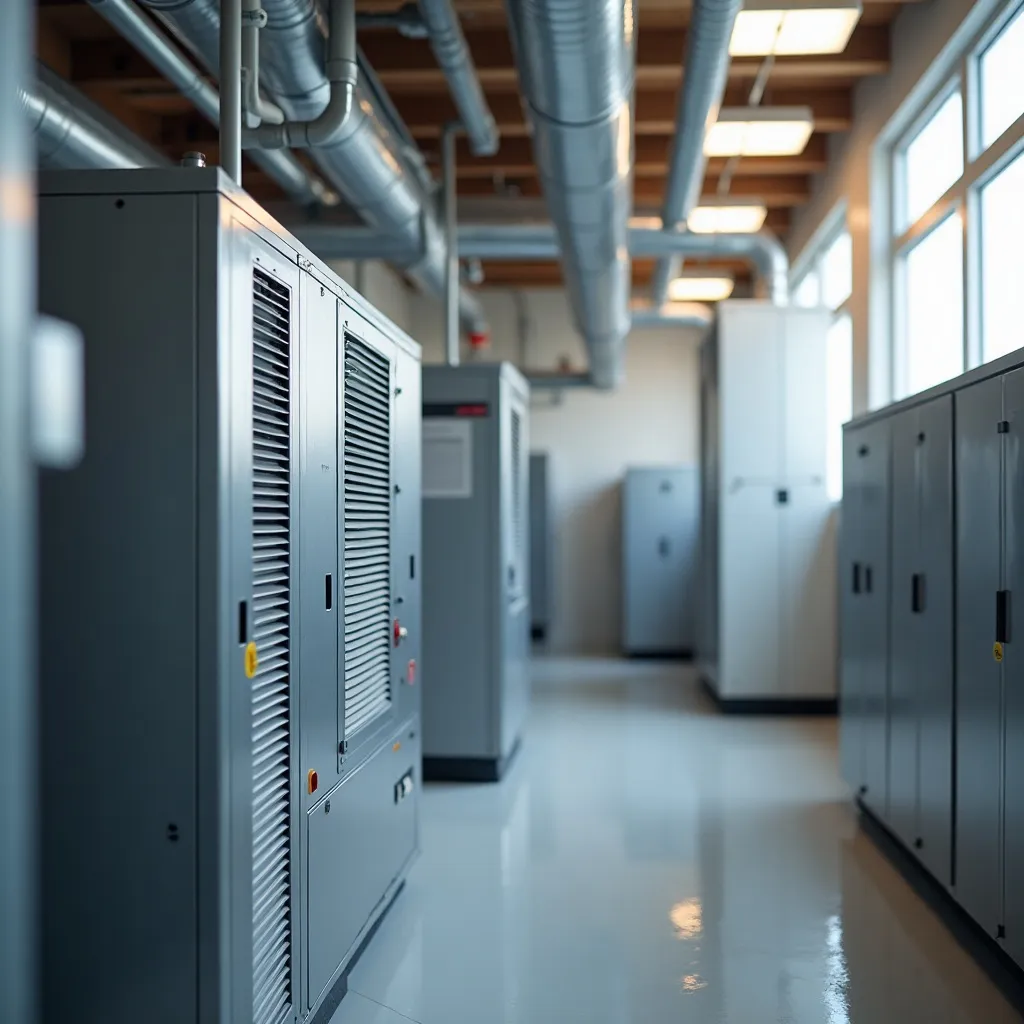
Regular air conditioning upkeep is crucial for peak performance and longevity of the system. A well-maintained air conditioning unit runs more effectively, decreasing energy consumption and reducing utility bills. Routine checks can avoid minor issues from escalating into major problems, ensuring the system runs smoothly throughout the warmer months.
Additionally, routine maintenance boosts indoor air quality by extracting dust, debris, and allergens that gather in the system. This is vitally important for residences with respiratory concerns. Routine inspections usually include tasks such as cleaning filters, checking refrigerant levels, and inspecting electrical components, which contribute to system longevity and performance.
Investing in preventive care not only extends the lifespan of the air conditioning unit but also supports a cozy home setting. Residents who focus on periodic upkeep can savor peace of mind, knowing their system is prepared to handle the challenges of temperature variations.
How to Pinpoint When Your AC Requires Maintenance?
Spotting when an cooling unit needs repair is essential for upholding comfort and efficiency. Warning signs like odd sounds, inconsistent temperature output, and rising energy bills regularly denote underlying issues. Catching these warning indicators allows property dwellers to take timely action before significant problems transpire.
Unusual Sounds From Unit
When an air conditioning unit begins to produce unusual noises, it often signals potential issues that may require immediate attention. Typical noises consist of clattering, which may indicate loose components, or hissing, indicating a refrigerant leak. A scraping sound could point to motor problems, while a humming noise may signify electrical issues. These noises not only disrupt comfort but can also lead to greater harm if ignored. Homeowners should pay attention to these warnings and think about contacting a skilled expert to diagnose and address the root causes. Timely repairs can prevent further complications and ensure the unit operates efficiently, preserving a comfortable living environment throughout the year. Disregarding these sounds may lead to costly repairs down the line.
Inconsistent Temperature Output
Air conditioning units making unusual sounds can often indicate additional signs of malfunction, like unequal temperature output. Homeowners might detect that some rooms feel warmer or cooler than others, which suggests the system isn't distributing air properly. Moreover, it may take longer for the unit to reach the desired temperature, resulting in uneasiness. If the thermostat settings do not match with the actual room temperature, this discrepancy can signal a hidden issue. Inspecting for blocked vents or dirty filters is necessary, since these factors can cause temperature inconsistencies. Consistent maintenance and timely response to these signs can ensure the air conditioning system functions optimally, providing a comfortable living environment throughout the year.
Elevated Energy Charges
It is common for residents to notice a sudden rise in their energy bills, which can alert that the air conditioning equipment needs attention. Increased energy consumption is often the result of a number of underlying issues, like dirty filters, leakages, or malfunctioning parts. These faults make the system work harder to maintain the desired temperatures, which leads to higher operational costs. Homeowners should monitor their energy bills often and compare them against past months or years for differences. Also, odd noises or less effective cooling can be additional signs that service are necessary. Addressing these issues quickly can both restore efficiency and avoid bigger problems and costs down the line, providing a comfortable living space year-round.
Understanding Emergency AC Assistance
Emergency AC services are crucial for property owners dealing with sudden air key information conditioning breakdowns, especially during the sweltering summer months. Such assistance provide quick assistance, ensuring that a malfunctioning unit does not affect indoor comfort and health. Typical problems requiring emergency attention include refrigerant leaks, compressor failures, and electrical problems, all of which can lead to insufficient cooling or complete system shutdown.
Homeowners need to grasp the significance of having entry to trustworthy emergency services. Swift response rates can minimize discomfort and prevent further damage to the system. Furthermore, many service providers deliver 24/7 availability, addressing urgent needs regardless of the time of day.
Recognizing the clues that require emergency AC services can inspire property owners to act quickly, making sure their AC units run productively and efficiently. By emphasizing these services, homeowners can establish a cozy, cool household atmosphere throughout the warmest months of the year.
Why Do You Switch to High-Efficiency AC Systems?
Switching to high-efficiency AC units brings significant advantages, featuring decreased utility bills. These latest units draw reduced power while also enhancing indoor air quality via improved filtration and humidity control. As homeowners desire budget-friendly and more healthful homes, efficient air conditioning systems offer a worthwhile option.
Lower Utility Charges
Allocating funds to energy-efficient air conditioning units can substantially decrease monthly energy expenses. These new systems apply advanced technology to refine energy consumption, resulting in lower operational costs. Traditional units often waste energy, leading to inflated bills during peak usage times. On the other hand, energy-efficient models are designed to consume minimal power while maintaining effective cooling performance. The initial investment in these units can be offset by significant savings over time, making them a costwise choice for homeowners. Additionally, many energy-efficient air conditioners are eligible for financial rebates and perks, further amplifying their cost-effectiveness. By upgrading to these units, homeowners not only aid environmental conservation but also enjoy a more cost-efficient method of cooling their living spaces.
Superior indoor air quality
Energy-efficient climate control systems not only lower energy bills but also greatly improve indoor air quality. These units are fitted with state-of-the-art filters that effectively capture dust, allergens, and pollutants, leading to cleaner air circulation within the home. By reducing humidity levels, energy-efficient models help prevent mold growth and the proliferation of bacteria, contributing to a healthier living environment. Additionally, many of these units operate at a lower noise level than traditional models, minimizing noise pollution and promoting a more serene atmosphere. Upgrading to energy-efficient air conditioning systems not only supports environmental sustainability but also prioritizes the well-being of the household, making it a smart choice for homeowners seeking both comfort and health benefits.
Seasonal Maintenance for Excellent AC Efficiency
As the hot season approach, guaranteeing an air conditioning system is in optimal shape becomes essential for preserving indoor comfort. Regular maintenance sessions are vital in optimizing AC efficiency, boosting performance, and extending the lifespan of the system. These extensive maintenance sessions typically include cleaning or replacing air filters, checking refrigerant amounts, and checking for possible leaks. Technicians also evaluate electrical components, guarantee proper airflow, and examine the condenser and evaporator coils.
Quick Repairs for Frequent AC Problems
Regular tune-ups can help avoid many issues, but even properly maintained air conditioning systems can encounter issues. Homeowners may encounter typical problems such as inadequate cooling, strange noises, or frequent cycling. A quick fix for insufficient cooling often requires examining the thermostat settings and ensuring they are adjusted properly. Additionally, inspecting and cleaning the air filters can enhance airflow and performance.
For peculiar noises, residents should first examine the unit for loose parts and debris. Tightening screws and removing obstructions can relieve many sound problems. If the AC frequently cycles on and off, examining the compressor and testing refrigerant levels can provide solutions.
At the end, keeping the outdoor unit clear of debris can enhance overall performance. While these quick fixes can address immediate problems, consulting with a professional for recurring difficulties is wise to prevent further harm.
How to Extend the Life of Your AC System
A well-kept air conditioning system can last substantially longer, providing comfort for homeowners season after season. Regular upkeep is vital; this includes changing filters every one to three months to promote efficient airflow. Expert inspections should occur at least once a year to spot potential issues early.
Removing debris like leaves and dirt from the outdoor unit helps maintain peak performance. Homeowners should also check that vents and registers are unobstructed to allow proper air circulation throughout the home.
Additionally, setting the thermostat to a reasonable temperature can reduce strain on the system. Installing a programmable thermostat allows for improved energy management.
Finally, putting in a electrical surge protector can protect the unit from electrical damage. By following these practices, homeowners can greatly extend the lifespan of their air conditioning systems while appreciating a cozy living environment.
Often Answered Questions
How what amount Does Air Conditioning Maintenance Typically Charge?
Air conditioning repairs typically costs between $75 and $200 per service, relying on variables like system type and service provider. Regular maintenance can increase the system's lifespan and improve effectiveness, ultimately saving on energy costs.
What Signs Reveal a Refrigerant Leak?
A refrigerant leak manifests through hissing sounds, poor cooling efficiency, ice buildup on coils, and rising energy bills. These red flags reveal a requirement for professional inspection to avert ongoing damage to the air conditioning system.
Can I Capable of Installing an AC Unit Without Help?
He ascertained that setting up an AC unit on his own was viable, but required technical knowledge and tools. Studying professional guidelines and evaluating local regulations were significant to validate safety and compliance with installation standards.
When Should I Replace My AC Filter Often?
Air filters ought to be replaced every one to three months, contingent on usage and the variety of filter. Consistent replacement increases air cleanliness and system efficiency, in the end lengthening the longevity of the air conditioning unit.
What's the Average Lifespan of an Air Conditioning Unit?
The average operational lifespan of an air conditioning unit typically falls between 15 to 20 years, based on maintenance, usage, and model quality. Consistent maintenance is able to extend its durability, maintaining peak performance throughout its operational life.